
Smoke and fire seals

Cold smoke seals and heat-activated intumescent material, adhesive-backed or mortised into the edge of a fire door and its frame. At ambient temperature they restrict smoke movement between compartments; as temperature rises the intumescent core closes the gap between leaf and frame. Select by gap width and by the tested door configuration.
12 products
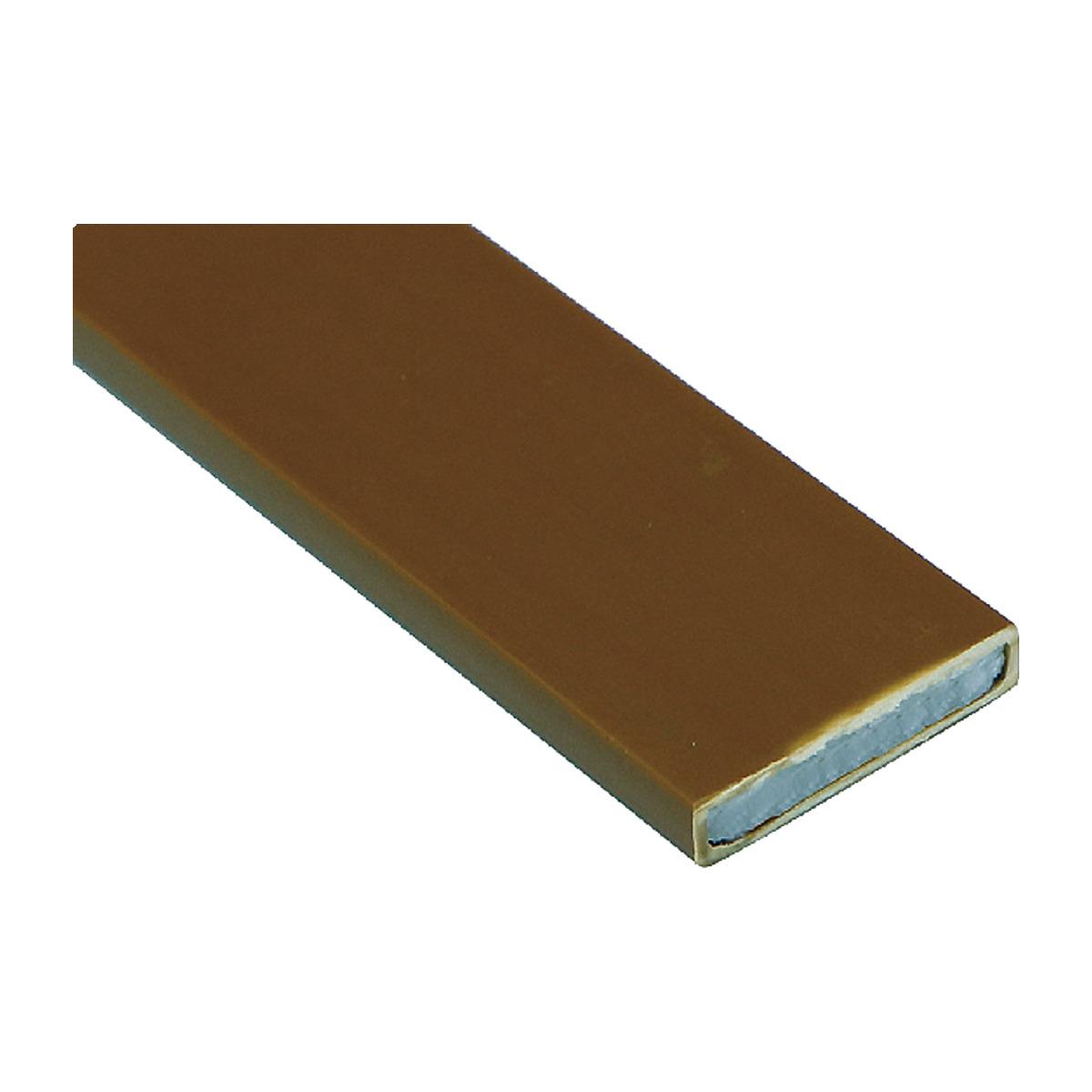
- Flexible intumescent fire seal, 2 mm thickRequest a quote
- Rigid intumescent fire seal, 4 and 6 mm thickRequest a quote
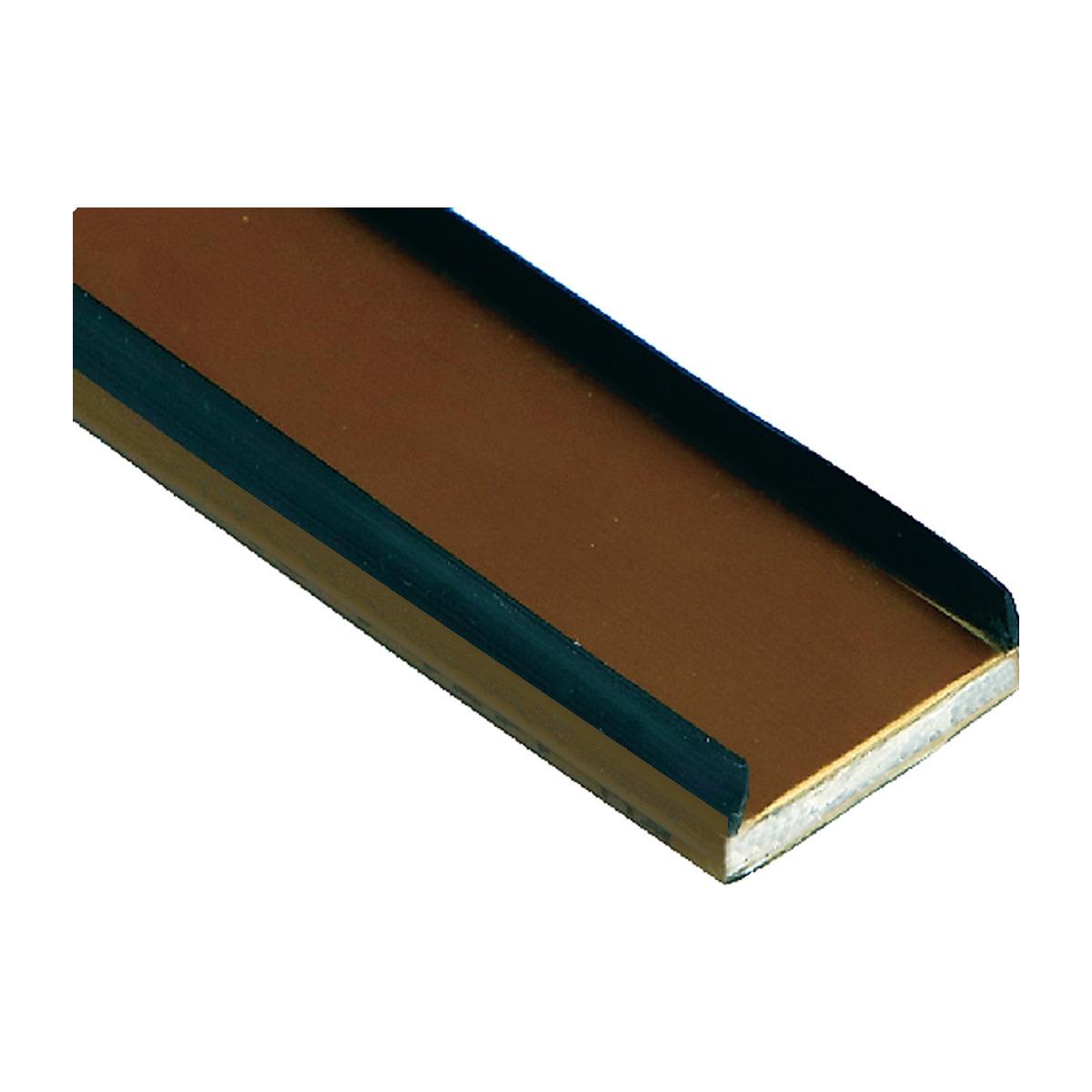
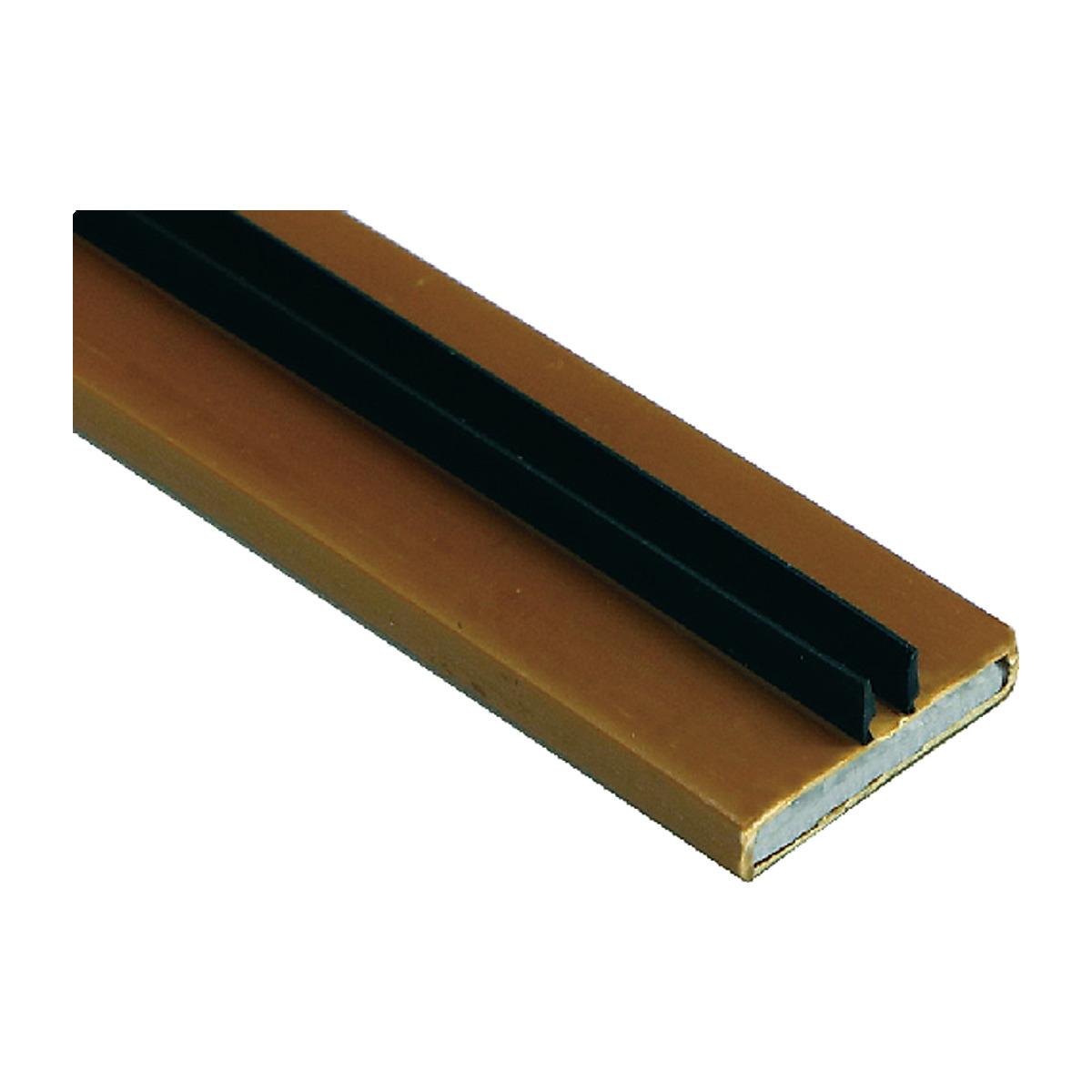
- Rigid intumescent fire and smoke seal, twin edge lipsRequest a quote
- Rigid intumescent fire and smoke seal, twin finRequest a quote
- Flexible graphite intumescent seal, rubber coated, 50 m rollRequest a quote
- Flexible graphite intumescent seal, 50 m rollRequest a quote
- Rigid graphite intumescent fire sealRequest a quote



Frequently asked questions
How do smoke seals and intumescent fire seals differ?
A smoke seal is a flexible sealing element that works at ambient temperature to restrict cold smoke passing through the gap. Intumescent material does not seal at ambient temperature; it expands when heated, closing the gap between leaf and frame during a fire. Many products combine both in a single strip.
Can I replace the seals on a fire door with a different type?
Only with a type included in that door's tested configuration, as stated in the door manufacturer's documentation. Size, position and intumescent material directly affect fire resistance time, so a different product can leave the door no longer meeting its rating.
How do I size the seal to the gap?
Measure the gap between leaf edge and frame at several points, then choose the width and thickness of the intumescent strip from the gap range the seal manufacturer publishes for the relevant door configuration. A gap beyond the permitted limit has to be corrected by adjusting the leaf or repairing the frame; it cannot be made up with a thicker strip.
Should I choose adhesive-backed or mortised seals?
Adhesive-backed strips usually fit into an existing groove in the frame or stick to the leaf edge, quick to install with no routing. Mortised strips sit in a groove routed into the leaf edge or frame, where they are harder to knock off. The fixing method must follow the tested configuration, not convenience.
Do smoke seals need periodic inspection?
Yes. Seals can be painted over, pulled off or torn over time, and one damaged length defeats smoke control along that whole edge. When inspecting fire doors, check that the seal is continuous around the perimeter, that no paint covers the intumescent material and that it has not been crushed flat.
Do smoke and fire seals reduce a door's acoustic performance?
No, a flexible smoke seal also closes the perimeter gap, so it usually improves acoustic performance. Plain intumescent strip does not seal at ambient temperature, so it adds nothing acoustically. Where a door needs both fire and acoustic performance, use a combined strip with a smoke seal and intumescent within the tested configuration.
Can smoke seals and intumescent strip be painted over?
This should be avoided. Paint stiffens the smoke seal so it no longer compresses, and it can restrict the intumescent from expanding in a fire. When repainting the door and frame, mask the seals with tape or remove them first and refit after the paint has dried.
Does intumescent material degrade over time?
Intumescent material can degrade under prolonged damp, water immersion or exposure to strong cleaning chemicals, depending on its base chemistry. For damp or washdown areas, use a sealed PVC-encased strip or one declared as moisture resistant. Strips that are swollen, crumbling or coming out of their groove should be replaced with the type named in the door documentation.
