
Safety and PPE
Frequently asked questions
Where should PPE selection start?
Start from the hazard assessment for each workstation: what the hazard is, how severe it is and how long workers are exposed. PPE is the last line of defence, used after elimination, substitution, engineering and administrative controls. Each hazard calls for a specific rating, such as a glove cut level or a respirator filter class, rather than a generic product name.
What do the standards shown on each product family mean?
Each family in the catalog is tagged with a common classification standard, for example ANSI/ISEA 105 for gloves, ANSI/ISEA Z87.1 for eyewear, EN 352 for hearing protectors and NIOSH 42 CFR 84 for particulate respirators. The standard tells you how the product was tested and what level it reached, but it does not replace matching that level to the actual hazard. If your internal rules or your own customers require a different standard, such as an EN or TCVN series, state it from the start.
Do several types of PPE need to be worn together?
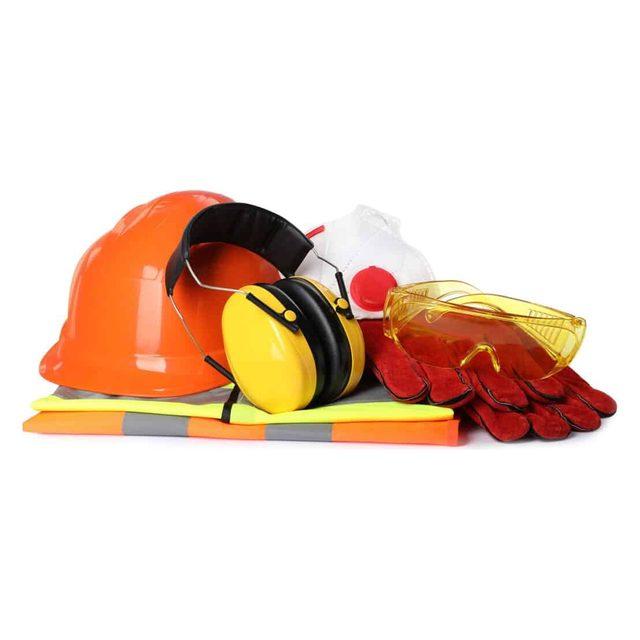
Often yes, and they must be checked for compatibility. Safety glasses can break the seal of earmuffs, a respirator can fog or shift eyewear, and a hard hat needs the right accessory slots if earmuffs or a face shield are attached. Have workers try the full set under real working conditions before committing to a large order.
Can KIT supply quality documents for safety products?
KIT provides CO/CQ on request; please state this when sending your quote request to sales@kit.com.vn. Goods can be inspected within 7 days of receipt, so check the standard and protection level marked on the product against the documents during that window.
What training do workers need before using PPE?
Users need to know why the item is required, how to put it on and take it off in the right order, how to check it before each shift and what its protection limits are. For respirators and fall arrest equipment, hands-on training is essential because incorrect use removes most of the protection. Keep training records and retrain when the PPE model or the work procedure changes.
How should PPE be issued and tracked in a factory?
Build a PPE list for each job position based on the hazard assessment, stating type, size and replacement interval. An issue log by worker name helps catch items kept past their service life and makes purchase quantities more accurate. Stock should be issued first in, first out, especially items with a shelf life such as filters and earplugs.
